
.png?width=500&height=500&name=Website%20Icon%20-%20CRM%20(Square).png)
%20Square%20Box/Website%20Icon%20-%20Sales%20Order%20(Square).png?width=500&height=500&name=Website%20Icon%20-%20Sales%20Order%20(Square).png)
%20Square%20Box/Website%20Icon%20-%20Production%20(Square).png?width=500&height=500&name=Website%20Icon%20-%20Production%20(Square).png)
%20Square%20Box/Website%20Icon%20-%20Logistics%20(Square).png?width=500&height=500&name=Website%20Icon%20-%20Logistics%20(Square).png)
%20Square%20Box/Website%20Icon%20-%20Mobile%20(Square).png?width=500&height=500&name=Website%20Icon%20-%20Mobile%20(Square).png)
/JMS%20-%20Generic%20Icon%20(White).png?width=827&height=827&name=JMS%20-%20Generic%20Icon%20(White).png)
/JMS%20-%20Invoicing%20Icon%20(White).png?width=1500&height=1320&name=JMS%20-%20Invoicing%20Icon%20(White).png)
Selling and quoting in real metals environments
Selling metals rarely follows a simple catalogue model. Availability, grades, dimensions, customer requirements and pricing conditions all influence how quotes
are built and orders are agreed. This stage supports informed, responsive sales conversations based on the reality of stock and supply.
.png?width=1500&height=750&name=Untitled%20design%20(29).png)
From enquiry to confirmed order
Once an order is agreed, clarity matters. Orders need to reflect what has been sold, how it will be fulfilled, and any processing or preparation required. This stage supports a clean handover from sales into operations, reducing rework, delay and misunderstanding.
.png?width=1500&height=750&name=Untitled%20design%20(30).png)
Supporting processing without losing visibility
Processing introduces complexity as material changes state, yield varies and remnants are created. This stage focuses on supporting common and complex processing activities while retaining visibility of material status, availability and outcomes throughout the process.
.png?width=1500&height=750&name=JMS%20Website%20-%20Production(Horizontal).png)
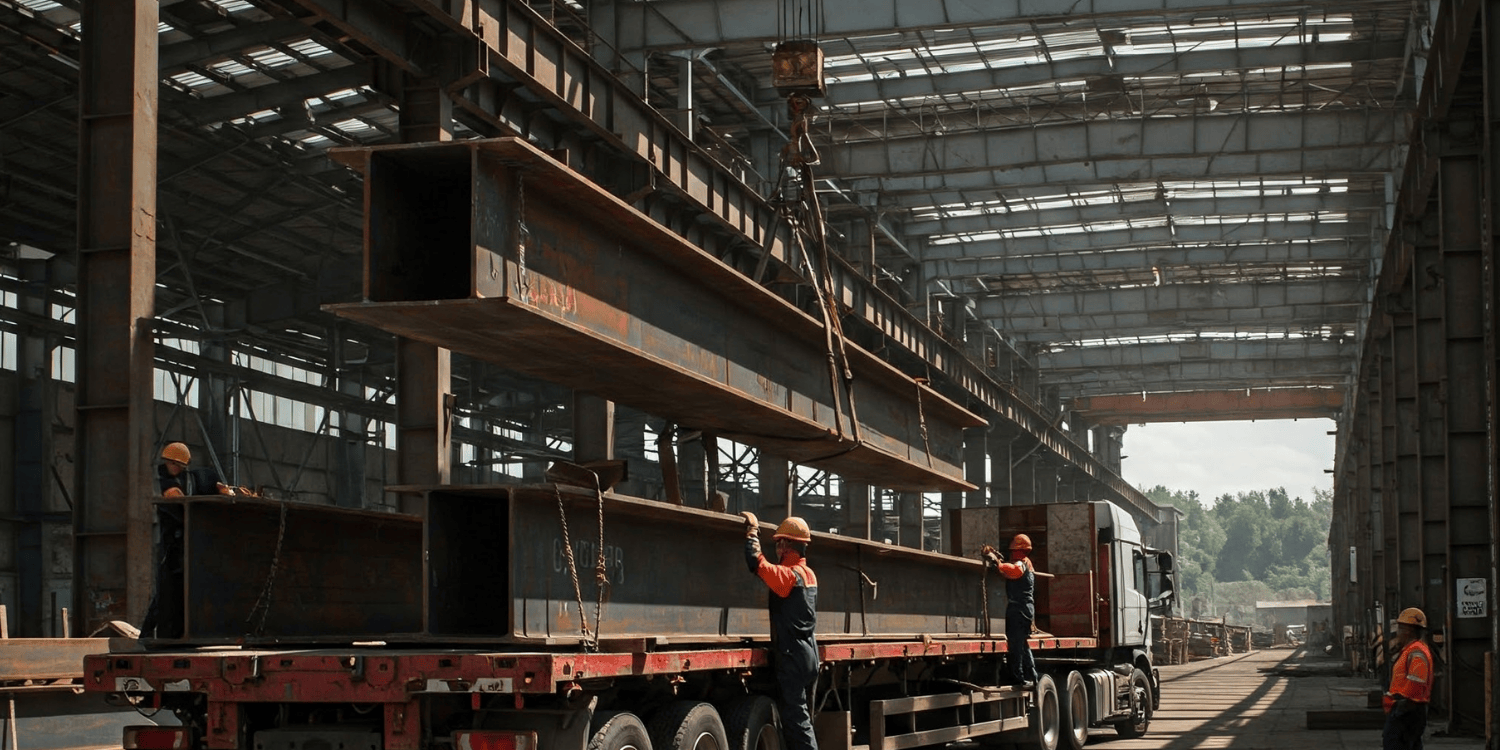
Preparing and delivering material correctly
Dispatch is where small errors become expensive. Customer-specific requirements, handling, identification and timing all matter. This stage supports accurate preparation and dispatch, helping ensure the right material reaches the right customer in the right condition.
Knowing what you have — and where it’s been
Accurate inventory and traceability sit at the heart of metals operations. Material needs to be visible by grade, size, condition and location, with a clear history from receipt through processing to dispatch. This stage focuses on maintaining confidence in stock position and traceability without slowing day-to-day work.
-1.png?width=1500&height=750&name=Untitled%20design%20(21)-1.png)
What actually happens on the warehouse floor
Day-to-day warehouse activity underpins stock accuracy and traceability. Receiving, moving, picking and dispatching material must reflect reality as it happens. This stage focuses on supporting clear, consistent execution across busy warehouse environments.

Keeping operations and finance aligned
Operational activity must ultimately flow into finance and reporting, but finance does not need to drive day-to-day execution. This stage focuses on integrating operational data with established finance systems and reporting tools, allowing finance to remain where it works best.
.png?width=1000&height=500&name=JMS%20-%20Website%20-%20Cost%20Savings%20%232%20(Horizontal).png)
.png?width=1500&height=750&name=JMS%20Website%20-%20Mobile%20%233%20(Horizontal).png)
Mobile: Keep your team connected. Keep the work moving.
Whether on the floor, in the warehouse, or off-site, our Mobile solution gives your team real-time access to the data they need to make fast, informed decisions - no delays, no excuses.